

Commercial buildings in the UAE depend heavily on reliable cooling. Offices, shopping centres, hotels, retail spaces, healthcare facilities and mixed-use developments need stable indoor temperatures for occupants, equipment and day-to-day operations. The UAE is also one of the world’s most cooling-intensive markets: the U.S. International Trade Administration notes that cooling can account for approximately 60–70% of peak electricity consumption during summer, while HVAC-related energy use represents around 40% of total building energy demand.
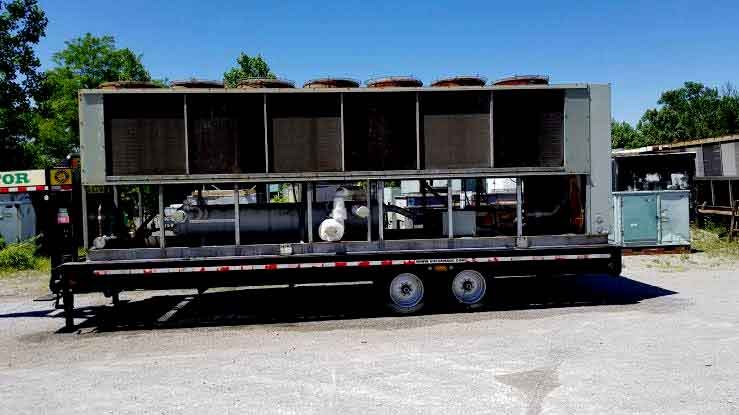
For commercial projects that need temporary, additional or emergency cooling capacity, a rental chiller in UAE can provide a practical alternative to purchasing and installing a permanent chiller. Rental equipment can be used during HVAC upgrades, planned shutdowns, unexpected failures, seasonal peaks or periods when a permanent cooling system has not yet been commissioned.
What Is a Rental Chiller?
A rental chiller is a temporary cooling system hired for a defined period rather than permanently purchased and installed. Chillers operate by producing chilled water, which is then circulated through a building’s cooling system to remove heat from indoor spaces. DEWA’s energy-efficiency handbook identifies chillers as systems that cool water, which subsequently cools air through air-side equipment. It also distinguishes between air-cooled and water-cooled chillers according to how the condenser is cooled.
For a commercial project, a rental package may include more than the chiller itself. Depending on the installation, supporting equipment can include pumps, flexible hoses, temporary pipework, air-handling units, buffer tanks, electrical equipment and control systems.
Rental providers in the UAE advertise both air-cooled and water-cooled temporary chillers, with equipment selected according to factors such as cooling capacity, site conditions and the existing HVAC arrangement.
Why Commercial Projects May Need Temporary Chiller Capacity
Permanent cooling systems are normally designed around a building’s expected requirements. However, commercial projects do not always operate under their original design conditions.
A building may require additional cooling because of:
HVAC system upgrades or refurbishment
Planned maintenance or shutdowns
Unexpected chiller failure
Seasonal increases in cooling demand
Delays in commissioning permanent equipment
Temporary increases in occupancy
Expansion or renovation of commercial areas
Additional cooling requirements during construction or fit-out
Rental cooling providers specifically identify emergency breakdowns, planned maintenance, seasonal or peak demand and bridging the period before permanent equipment is installed as common reasons for temporary cooling.
This makes rental chillers particularly useful when a project needs cooling for weeks or months but does not justify purchasing another permanent chiller.
Applications of Rental Chillers in UAE Commercial Projects
1. Office Buildings
Office buildings require dependable cooling to maintain comfortable working conditions. During chiller replacement, refurbishment or major HVAC maintenance, temporarily renting a chiller can help maintain cooling while the permanent system is unavailable.
The rental system can be connected to the building’s chilled-water infrastructure when technically suitable, allowing project teams to maintain cooling without waiting for the permanent equipment to return to service.
2. Shopping Malls and Retail Centres
Retail facilities can experience substantial cooling requirements because of large floor areas, lighting, equipment and customer occupancy. A cooling failure can affect both customer comfort and business operations.
Temporary chillers can be considered during planned plant maintenance, equipment replacement or periods when additional capacity is required.
3. Hotels and Hospitality Projects
Hotels generally require cooling across guest rooms, restaurants, common areas and back-of-house facilities. Because cooling is directly connected to guest comfort, extended HVAC downtime can become a significant operational issue.
A temporary chiller can provide backup capacity while permanent cooling equipment is being repaired or upgraded, subject to suitable hydraulic, electrical and control connections.
4. Healthcare and Critical Facilities
Healthcare buildings have strict environmental requirements, and cooling interruptions may affect occupied areas and sensitive spaces. Temporary cooling can therefore be considered as part of a contingency plan when permanent HVAC equipment is undergoing maintenance or replacement.
For critical facilities, however, the rental system should be engineered around the site’s actual load, redundancy requirements, electrical supply, water conditions and connection points rather than selected simply by nominal chiller capacity.
5. Commercial Buildings Under Renovation
Renovation and retrofit projects can temporarily change a building’s cooling requirements. Parts of the existing HVAC system may need to be isolated while new equipment, pipework or controls are installed.
A temporary chiller can bridge this period and help project teams maintain cooling in occupied areas.
Air-Cooled vs. Water-Cooled Rental Chillers
One of the first decisions in a temporary cooling project is selecting the appropriate chiller type.
Air-Cooled Chillers
Air-cooled chillers reject heat directly to the surrounding air and generally do not require cooling towers. This can simplify temporary installations where space, water availability or installation time are important considerations.
UAE rental providers advertise air-cooled chillers for commercial, emergency and temporary applications. Some equipment is specifically designed for high-ambient GCC conditions.
Water-Cooled Chillers
Water-cooled chillers reject heat through condenser water and typically operate as part of a larger system involving cooling towers and associated pumps. They can be suitable for larger permanent or temporary cooling arrangements when the necessary water-side infrastructure is available.
DEWA’s handbook confirms the fundamental distinction: air-cooled chillers use air to cool the condenser, while water-cooled chillers use water.
The correct option depends on the project’s cooling load, available utilities, site conditions, space, connection arrangements and project duration.
How to Select the Right Rental Chiller for a Commercial Project
Choosing a chiller solely by its advertised tonnage can lead to an unsuitable installation. A proper assessment should consider the complete cooling requirement.
Determine the Actual Cooling Load
The required capacity should be based on the building’s actual heat load rather than simply the size of the existing chiller.
Factors can include:
Building area
Occupancy
Outdoor temperature
Internal heat gains
Building envelope
Existing chilled-water temperatures
Required supply and return temperatures
Operating hours
Equipment and lighting loads
Areas that need cooling during the rental period
A qualified HVAC professional should confirm the required capacity before equipment is selected.
Check Chilled-Water Conditions
The rental chiller needs to work with the building’s existing chilled-water circuit or temporary distribution system.
Important parameters include chilled-water flow, supply temperature, return temperature, pressure and connection sizes. A mismatch can reduce system performance even when the chiller’s nominal capacity appears sufficient.
Assess Available Power
The electrical supply must be capable of supporting the selected equipment and associated pumps or accessories.
Before mobilization, project teams should verify available voltage, phase, breaker capacity, cable routes and generator requirements where applicable.
Consider Site Access
Large temporary chillers need appropriate access for delivery, positioning and removal. The project team should check:
Equipment footprint
Crane or lifting requirements
Vehicle access
Ground conditions
Ventilation clearance
Noise restrictions
Pipe and cable routing
Emergency access
Some modern rental chillers are designed with transport-friendly frames and compact footprints to simplify temporary deployment.
What Does a Commercial Chiller Rental Package Include?
The contents of a rental package vary by provider and project. A complete temporary cooling solution may include:
- Chiller units
- Chilled-water pumps
- Flexible hoses or temporary pipework
- Air-handling units where required
- Buffer tanks
- Electrical distribution equipment
- Control and monitoring equipment
- Installation and commissioning
- Technical support
- Decommissioning and equipment removal
For example, Atlas Copco’s UAE rental operation describes a service model covering site assessment, installation and remote monitoring, while its chiller rental offering also lists accessories such as water connections, hoses, buffer tanks and generators.
The exact scope should therefore be clearly defined before signing a rental agreement.
Rental Chillers During HVAC Upgrades
HVAC upgrades can create a temporary gap between removing old cooling equipment and commissioning the new system.
Instead of leaving the building without cooling, project managers can use temporary chillers to maintain service during the transition. This approach can be particularly valuable for occupied commercial properties where closing the building for the duration of an HVAC upgrade is impractical.
Temporary cooling providers specifically market rental chillers for bridging the period while permanent equipment is being installed.
Rental Chillers for Emergency Cooling
An unexpected chiller failure can create an urgent requirement for cooling. In commercial properties, the consequences may include uncomfortable indoor conditions, disruption to tenants and interruption of business activities.
Emergency rental equipment can provide temporary capacity while technicians repair the permanent plant or replacement equipment is arranged.
However, emergency deployment still requires proper engineering. The rental provider should confirm the available connections, cooling load, electrical requirements and equipment access before commissioning wherever site conditions allow.
Rental Chillers and UAE Cooling Infrastructure
The importance of chilled-water cooling in the UAE is also reflected in the country’s district-cooling infrastructure. Abu Dhabi’s Department of Energy regulates the district-cooling sector, while Dubai has its own district-cooling regulatory framework.
Dubai’s regulatory framework defines district-cooling systems as infrastructure that can include chillers, pumping stations, cooling towers, thermal storage, electrical substations and associated equipment.
This does not mean a temporary rental chiller is the same as a district-cooling plant. Rather, it illustrates the central role of chilled-water systems in large UAE developments and why temporary chilled-water capacity can be relevant when commercial cooling infrastructure is being maintained, upgraded or expanded.
Is Renting a Chiller More Practical Than Buying One?
For a short-term requirement, purchasing a permanent chiller may not always be the most practical option. A rental arrangement can avoid committing capital to equipment that may only be needed temporarily.
Rental can be particularly suitable when the requirement is:
Short-term
Seasonal
Emergency-related
Connected with planned maintenance
Associated with an HVAC upgrade
Required while permanent equipment is being delivered
Needed to cover temporary increases in cooling demand
For a long-term, predictable cooling requirement, however, purchasing a permanent system may make more sense. The decision should be based on project duration, total operating costs, available capital, maintenance responsibilities, expected utilization and the required cooling capacity.
Key Questions to Ask Before Renting a Chiller in UAE
Before choosing a rental provider, commercial project managers should ask:
What cooling capacity is actually required?
Confirm the calculated load rather than relying only on the capacity of the existing chiller.
Is the unit suitable for UAE ambient conditions?
High outdoor temperatures can affect chiller performance, so equipment operating conditions should be checked carefully.
What equipment is included?
Confirm whether pumps, hoses, AHUs, cables, controls, installation and removal are included.
Who handles commissioning?
A temporary system should be properly tested and commissioned before being placed into service.
What happens if the rental unit fails?
For critical commercial applications, ask about technical support, spare equipment and response arrangements.
Can the equipment connect to the existing HVAC system?
Hydraulic and electrical compatibility should be verified before delivery.
What is the rental period?
Confirm whether the agreement covers daily, weekly, monthly, seasonal or longer-term requirements.
Final Thoughts
A rental chiller in UAE for commercial projects can provide temporary cooling capacity without requiring a permanent investment in additional equipment. It can be useful during HVAC upgrades, planned shutdowns, emergency breakdowns, seasonal demand increases and construction or commissioning periods.
The most important consideration is not simply finding the largest available chiller. The equipment should be selected according to the project’s actual cooling load, chilled-water requirements, electrical capacity, site access, ambient conditions and operating duration.
With proper planning and professional installation, temporary chilled-water systems can help commercial properties maintain cooling continuity while permanent HVAC infrastructure is repaired, upgraded or brought online. UAE authorities’ continued focus on efficient cooling also reinforces the importance of selecting cooling systems according to both operational requirements and energy-performance considerations.