

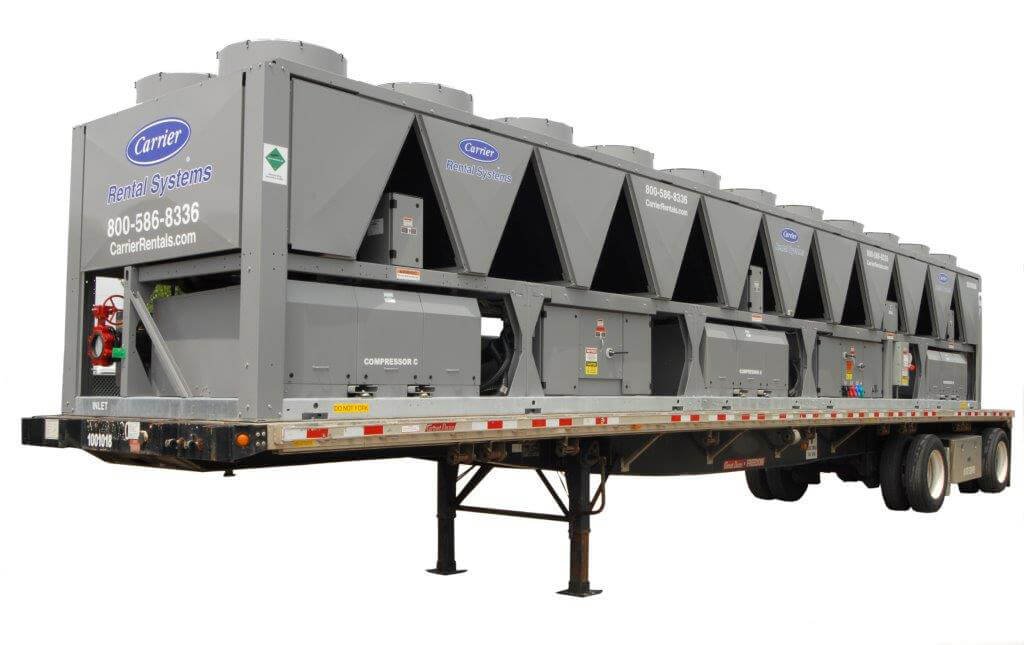
Commercial buildings depend on reliable cooling to maintain comfortable indoor conditions and support normal operations. Offices, hotels, shopping centres, retail spaces, healthcare facilities, warehouses and commercial construction projects can all face situations where their existing cooling capacity is unavailable or no longer sufficient.
This is where chiller rental can provide temporary cooling capacity without requiring a business to purchase a permanent chiller. A rental chiller can support a facility during planned maintenance, unexpected equipment failure, HVAC replacement, construction, refurbishment, commissioning or periods of increased cooling demand.
Unlike simply hiring a standalone machine, a complete chiller rental solution considers the building’s cooling load, chilled-water requirements, available electrical supply, connection points, installation requirements and operating conditions. HVAC rental provider can supply the required equipment and supporting components, install and commission the system, and provide technical support throughout the rental period.
But how exactly do these temporary cooling systems work, and when should a commercial project consider using one?
What Are HVAC Chiller Rental Solutions for Commercial Projects?
An HVAC chiller rental solution is a temporary cooling arrangement in which a commercial building or project uses a rented chiller for a defined period.
A permanent chiller forms part of a building’s long-term HVAC infrastructure. A rental chiller, on the other hand, can be brought to the site when additional or replacement cooling capacity is required and removed once the temporary requirement ends.
For example, a commercial building may need to shut down an existing chiller for scheduled maintenance. If the remaining cooling system cannot handle the building’s demand, a temporary rental chiller can provide additional capacity during the maintenance period.
The same approach can be used during an unexpected chiller breakdown. Instead of waiting for permanent repairs or replacement equipment before restoring sufficient cooling, a suitable temporary system can provide an interim solution.
Depending on the project, the rental package may include chillers, pumps, flexible hoses, temporary pipework, heat exchangers, buffer tanks, controls and other supporting equipment.
How Do HVAC Chiller Rental Solutions Work?
A commercial chiller rental project involves several stages. The equipment needs to be selected according to the building’s requirements and then integrated correctly with the existing HVAC system.
1. Assessing the Commercial Project
The first step is understanding why temporary cooling is required.
The rental requirement could be caused by:
- An unexpected chiller breakdown
- Planned HVAC maintenance
- Chiller replacement
- Commercial building refurbishment
- Construction or fit-out work
- Seasonal cooling demand
- Temporary increases in cooling load
- Commissioning of a new facility
The reason for the rental affects the required capacity, installation arrangement and rental duration.
Engineers may review the existing HVAC system, cooling load, chilled-water temperatures, water flow, electrical supply and available installation area before recommending suitable equipment.
2. Calculating the Required Cooling Capacity
Selecting the correct chiller capacity is one of the most important parts of a temporary cooling project.
A commercial building’s cooling requirement cannot always be determined simply by looking at its floor area. Occupancy, equipment, lighting, operating schedules, outdoor conditions and internal heat gains can all affect the required cooling capacity.
The existing HVAC system should also be evaluated.
A temporary chiller may need to replace an unavailable unit, supplement the existing plant or provide cooling for a separate temporary area.
Choosing equipment that is too small may result in insufficient cooling, while unnecessarily large equipment can increase project costs and create inefficient operation.
For this reason, the rental chiller should be selected according to the project’s actual cooling requirements.
3. Choosing the Appropriate Chiller Type
The next step is selecting an appropriate chiller configuration.
The two common types used in commercial applications are air-cooled chillers and water-cooled chillers.
Air-Cooled Chillers
Air-cooled chillers reject heat directly into the surrounding air through condenser coils and fans.
They can be useful for temporary applications where a relatively straightforward installation is preferred and suitable outdoor space is available.
Because they do not require a cooling tower and condenser-water loop in the same way as a conventional water-cooled installation, the temporary setup can be simpler in suitable applications.
However, outdoor ambient conditions affect performance, so the equipment must be appropriate for the expected operating environment.
Water-Cooled Chillers
Water-cooled chillers reject heat through a condenser-water system.
These systems can be suitable for larger commercial installations where the required condenser-water infrastructure is available or can be provided as part of the temporary installation.
A water-cooled solution may involve additional equipment such as cooling towers, condenser-water pumps and associated pipework.
The appropriate configuration depends on the building, available infrastructure, cooling requirement and project conditions.
What Happens Inside a Rental Chiller?
A rental chiller operates using the same fundamental refrigeration principles as a permanent chiller.
A mechanical-compression chiller generally uses four major components within the refrigeration cycle: the evaporator, compressor, condenser and expansion device.
The process begins in the evaporator. Heat from the building’s chilled-water circuit is transferred to the refrigerant.
The compressor then increases the refrigerant’s pressure.
The refrigerant moves to the condenser, where heat is rejected. In an air-cooled chiller, the heat is transferred to outdoor air. In a water-cooled system, heat is transferred to the condenser-water circuit.
The refrigerant then passes through an expansion device, reducing its pressure before returning to the evaporator.
This cycle continues while the chiller is operating.
The chilled water produced by the system circulates through the building’s cooling equipment, such as air-handling units or fan-coil units, where it absorbs heat and returns to the chiller.
What Equipment Is Included in a Commercial Chiller Rental Solution?
A temporary cooling project may require considerably more than the chiller itself.
Depending on the building and installation, the rental package may include:
Chiller Units
The chiller provides the main cooling capacity required by the commercial facility.
Chilled-Water Pumps
Pumps circulate chilled water between the temporary chiller and the building’s cooling system. Additional pumps may be necessary if the existing system cannot provide the required flow.
Flexible Hoses and Temporary Pipework
Temporary hoses or pipework can connect the rental equipment to the building’s existing chilled-water circuit.
Heat Exchangers
Heat exchangers may be required where the temporary cooling system needs to remain hydraulically separated from the building’s existing circuit.
Buffer Tanks
A buffer tank can be incorporated into certain systems to provide additional water volume and help manage changes in cooling demand.
Electrical and Control Equipment
Temporary installations may require suitable electrical distribution and control equipment to operate the chiller and associated components safely and effectively.
The exact equipment required should be determined following a technical site assessment.
When Do Commercial Projects Need Chiller Rental Solutions?
Commercial facilities can require temporary cooling for several different reasons.
Planned Chiller Maintenance
Regular maintenance is necessary to keep permanent HVAC equipment operating reliably.
However, taking a chiller offline for maintenance can reduce available cooling capacity.
A temporary rental chiller can help maintain cooling during planned maintenance when the remaining equipment cannot meet the building’s requirements.
Emergency Chiller Breakdown
An unexpected chiller failure can cause immediate cooling problems, especially during periods of high demand.
Emergency chiller rental can provide temporary capacity while the permanent equipment is being diagnosed, repaired or replaced.
This can be particularly important for facilities where cooling is closely linked to normal business operations.
HVAC System Replacement
Replacing a commercial chiller is not always an immediate process.
The project may involve removing the existing equipment, preparing the site, installing the replacement unit, completing electrical and mechanical connections, and commissioning the new system.
Temporary cooling can bridge this period and allow the building to continue operating while the permanent system is being upgraded.
Commercial Building Renovation
Renovation work can affect existing HVAC equipment and distribution systems.
A temporary cooling solution can support occupied areas or specific sections of a building while refurbishment work is being completed.
Construction and Commissioning
New commercial developments may require temporary cooling during construction, fit-out or commissioning.
A rental system can provide cooling where the permanent HVAC plant is not yet available or fully operational.
Additional Cooling Capacity
A building may occasionally require more cooling than its permanent plant can provide.
Temporary rental equipment can supplement the existing system when the increase in demand is temporary and does not justify permanent expansion.
Which Commercial Facilities Can Use Rental Chillers?
Office Buildings
Office buildings can use temporary chillers during maintenance, HVAC upgrades, refurbishment and replacement projects.
Maintaining cooling can help minimise disruption to employees and building occupants.
Hotels
Hotels can have substantial cooling requirements across guest rooms, restaurants, meeting areas and common spaces.
Temporary cooling can be considered when permanent cooling equipment requires maintenance or replacement.
Shopping Malls
Shopping centres often have large cooling loads and long operating hours.
Rental chillers can provide temporary or supplementary capacity when existing equipment is unavailable or insufficient.
Healthcare Facilities
Healthcare buildings can have specific environmental and operational requirements.
Any temporary cooling installation for these facilities should therefore be carefully engineered around the facility’s existing HVAC infrastructure and operational requirements.
Warehouses
Warehouses and commercial storage facilities may require temporary cooling depending on their products, processes and environmental requirements.
The appropriate equipment depends on the required temperature conditions and cooling load.
Commercial Construction Sites
Construction and fit-out projects can use temporary cooling before the permanent HVAC system becomes fully operational.
What Are the Benefits of HVAC Chiller Rental for Commercial Projects?
Temporary Cooling Without Permanent Investment
A business can obtain temporary cooling capacity without purchasing a permanent chiller for a short-term requirement.
Reduced Operational Disruption
Temporary cooling can help maintain building conditions during maintenance, replacement and refurbishment.
Flexible Rental Periods
Rental equipment can be used for short emergency requirements or longer projects depending on the agreement and equipment availability.
Additional Cooling Capacity
Rental chillers can supplement existing equipment when temporary increases in demand occur.
Support During Equipment Replacement
A temporary system can bridge the period between removal of an old chiller and commissioning of a new one.
Emergency Response
When permanent equipment fails unexpectedly, temporary cooling can provide an interim solution while repairs are carried out.
How Do You Choose the Right Chiller for a Commercial Project?
Choosing a rental chiller requires more than comparing advertised capacities.
The project team should consider the following factors.
Cooling Load
The required cooling capacity should be established based on the actual building or project requirements.
Chilled-Water Temperature
The required supply and return temperatures need to be compatible with the building’s existing HVAC system.
Water Flow
The system must provide appropriate chilled-water flow for the connected cooling equipment.
Electrical Supply
The available electrical infrastructure should be checked before equipment is selected.
Installation Location
There needs to be sufficient space for the rental chiller and safe access for installation, operation and maintenance.
Site Access
Large temporary cooling equipment may require suitable access for transportation, lifting and positioning.
Rental Duration
The expected project period should be established because a short emergency requirement may have different equipment and logistical requirements from a long-term HVAC replacement project.
Existing HVAC Configuration
The rental system needs to work with the building’s existing cooling infrastructure or be designed as an independent temporary circuit where appropriate.
What Factors Affect Chiller Rental Costs in the UAE?
There is no single rental price that applies to every commercial chiller project.
The final cost can depend on several factors, including:
- Required cooling capacity
- Chiller type
- Rental duration
- Number of units
- Transportation
- Installation requirements
- Pumps and accessories
- Temporary pipework
- Electrical requirements
- Site conditions
- Technical support
- Emergency deployment requirements
A large commercial project requiring multiple chillers, pumps and temporary connections will naturally have different costs from a smaller requirement involving a single unit.
For this reason, businesses should request a project-specific quotation rather than relying only on generic rental prices.
What Should You Check Before Renting a Chiller?
Before arranging a temporary cooling system, commercial project managers should collect the technical information needed by the rental provider.
Important information includes:
- Required cooling capacity
- Existing chiller specifications
- Chilled-water supply and return temperatures
- Required water flow
- Available electrical supply
- Available installation area
- Connection locations
- Expected rental period
- Site access conditions
- Operating schedule
- Whether the requirement is planned or emergency
Providing accurate information can help the supplier identify an appropriate configuration and reduce delays during installation.
How Can Rental Chillers Support HVAC Replacement?
HVAC replacement is one of the most common situations where temporary cooling can be useful.
A commercial chiller replacement project may require the existing unit to be shut down before the new equipment is installed and commissioned.
During this transition, the building may still require cooling.
A temporary chiller can operate during the replacement period and provide cooling capacity while the permanent system is unavailable.
Once the new chiller has been installed, tested and commissioned, the temporary system can be disconnected and removed.
This approach can help commercial facilities manage the transition between old and new HVAC equipment without unnecessarily extending a complete cooling shutdown.
How Can Emergency Chiller Rental Help After a Breakdown?
When a permanent chiller fails unexpectedly, the priority is to restore sufficient cooling as efficiently as the site conditions allow.
The first step is normally to identify the extent of the failure and determine whether the existing system can be repaired quickly.
If repairs will take time and the facility requires continued cooling, temporary chiller capacity may be considered.
The rental provider can assess the required cooling capacity, available connections, installation location and electrical requirements.
Once suitable equipment is selected, the temporary system can be installed and commissioned.
The rental chiller can then remain in operation until the permanent system has been repaired or replaced.
How Long Can a Commercial Project Rent a Chiller?
The rental period depends on the project’s requirements.
A short-term rental may be suitable for planned maintenance or an emergency repair.
A longer rental period may be appropriate for a major HVAC replacement, refurbishment or construction project.
Some projects may require temporary cooling for several weeks or months.
The expected rental duration should be discussed before equipment is deployed so that the supplier can plan equipment availability, maintenance and technical support appropriately.
Are Rental Chillers Suitable for UAE Summer Conditions?
The UAE experiences very high outdoor temperatures during summer, which can increase cooling demand in commercial buildings.
Chiller performance is influenced by operating conditions, including ambient temperature for air-cooled equipment.
For this reason, temporary equipment should be selected according to the expected site conditions and required cooling load rather than relying only on the nominal capacity shown in a catalogue.
The installation location, ventilation, condenser-air conditions, chilled-water temperatures and equipment operating limits should all be considered during project planning.
Why Is Professional Installation Important?
A commercial chiller must be correctly integrated with the building’s HVAC system.
Incorrect pipe connections, inadequate water flow, insufficient electrical capacity or unsuitable operating conditions can affect system performance.
Professional installation and commissioning help verify that the temporary equipment is properly connected and operating according to the project’s requirements.
This is particularly important for larger commercial installations where the rental chiller forms part of an existing central cooling system.
HVAC Chiller Rental vs Buying a Chiller
The choice between renting and buying depends on the project’s circumstances.
Buying a permanent chiller may make sense when a building has a long-term requirement for additional installed cooling capacity.
Rental can be considered when the requirement is temporary, such as a short maintenance shutdown, emergency breakdown, construction project or temporary increase in cooling demand.
Rental also avoids leaving a business with equipment that may no longer be needed once the project is completed.
The decision should therefore consider project duration, capital expenditure, required capacity, operating costs, installation requirements and future cooling demand.
Frequently Asked Questions
What are HVAC chiller rental solutions for commercial projects?
They are temporary cooling systems supplied to commercial buildings or projects for a defined period. They can support maintenance, breakdowns, HVAC replacement, construction, refurbishment and temporary increases in cooling demand.
How does a rental chiller provide cooling?
The chiller removes heat from chilled water through a refrigeration cycle. The cooled water is circulated through the building’s cooling equipment, where it absorbs heat before returning to the chiller.
Can a rental chiller connect to an existing HVAC system?
Yes, when suitable connection points and system conditions are available. The installation may require pumps, hoses, temporary pipework, heat exchangers or other supporting equipment.
What is the difference between an air-cooled and water-cooled chiller?
An air-cooled chiller rejects heat to outdoor air, while a water-cooled chiller rejects heat through a condenser-water system. The appropriate choice depends on the project’s requirements and available infrastructure.
Can rental chillers be used during commercial HVAC replacement?
Yes. A temporary chiller can provide cooling while permanent equipment is removed, replaced and commissioned.
How is rental chiller capacity calculated?
Capacity should be determined from the actual cooling load and operating conditions. Building size alone is not sufficient for accurate equipment selection.
Can a rental chiller provide emergency cooling?
Yes. Rental chillers can provide temporary cooling following an unexpected failure, subject to equipment availability and site requirements.
How long can a chiller be rented?
Rental periods can range from short emergency requirements to longer construction, refurbishment or HVAC replacement projects.
Does chiller rental include pumps and hoses?
This depends on the rental package. Pumps, hoses, pipework, electrical equipment and other accessories may be supplied when required by the installation.
What information should I provide when requesting a rental chiller?
The supplier should ideally receive information about the required cooling capacity, chilled-water temperatures, water flow, existing HVAC system, electrical supply, installation location, site access and expected rental duration.
Conclusion
HVAC chiller rental solutions for commercial projects provide temporary cooling capacity when a permanent HVAC system is unavailable, undergoing maintenance, being replaced or unable to meet a temporary increase in demand.
The process starts with assessing the project’s cooling requirement and selecting suitable equipment. The rental provider then plans the supporting equipment, transportation, installation and system connections before commissioning the temporary cooling system.
For commercial facilities, the most important considerations are not simply chiller capacity or rental price. The equipment needs to be compatible with the building’s HVAC system, site conditions, electrical infrastructure, chilled-water requirements and project schedule.
Whether the requirement comes from an emergency breakdown, planned maintenance, HVAC replacement, commercial construction project or temporary increase in cooling demand, a properly planned rental chiller can provide a practical temporary cooling solution until permanent capacity is restored or becomes available.