

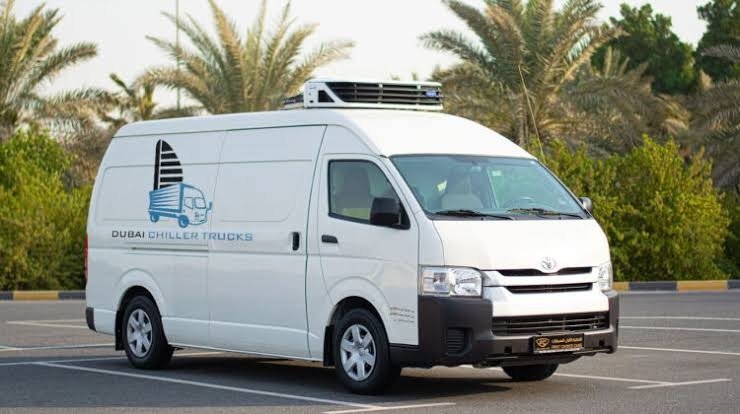
A reliable cooling system is essential for many UAE businesses, particularly during the hotter months when outdoor temperatures can place significant demands on commercial and industrial HVAC systems. The UAE has a desert climate, with hot and humid summers, while official climate information records summer temperatures that can exceed 49°C in some areas. Coastal humidity can also become very high.
When a central rental chiller in UAE unexpectedly stops operating, the problem is not simply a loss of air conditioning. A chiller failure can affect indoor comfort, production processes, equipment rooms, hotels, offices, retail facilities and other environments that depend on controlled temperatures.
This is where emergency chiller rental services in the UAE can provide temporary cooling capacity while the permanent cooling system is being repaired, replaced or brought back online.
Emergency chiller rental is essentially a temporary cooling solution. Instead of waiting for a failed permanent chiller to be repaired or purchasing a new system immediately, a business can hire a suitable rental chiller for the required period. Depending on the application, the rental equipment can be connected to an existing chilled-water system or incorporated into a temporary cooling arrangement.
Current UAE rental providers commonly describe emergency chiller applications around unexpected breakdowns, planned shutdowns, temporary capacity requirements and critical cooling needs.
What Are Emergency Chiller Rental Services in the UAE?
Emergency chiller rental services are temporary cooling services provided when a building, facility or industrial process suddenly needs additional or replacement chilled-water capacity.
A rental chiller does not necessarily replace the entire permanent HVAC infrastructure. Instead, the temporary equipment is selected according to the site’s cooling requirement and connected to the appropriate existing pipework, pumps, electrical supply or temporary distribution system.
For example, if a commercial building loses its primary chiller because of a major mechanical failure, a rental company may assess the required cooling load and provide a temporary air-cooled or water-cooled chiller. The equipment can then be delivered, connected and commissioned so the facility can maintain cooling while permanent repairs continue.
This approach is particularly useful when buying and installing a permanent replacement would take significantly longer than the business can afford to remain without adequate cooling.
Rental Power, HVACLINIC and Stout Energy all describe temporary or emergency chiller rental as a solution for situations including unexpected failures, planned maintenance, temporary capacity and industrial or commercial cooling requirements.
Why Is Emergency Cooling Important in the UAE?
The UAE’s climate makes dependable cooling especially important.
According to the UAE’s official government platform, the country has a desert climate and summers are hot and humid. The UAE Atlas, using National Center of Meteorology data, reports that average temperatures during the hotter months can reach 30–40°C and that maximum temperatures can exceed 49°C in some parts of the country.
Dubai’s government information also describes summer conditions as extremely hot and humid, with an average summer high of approximately 41.8°C.
These conditions mean that losing cooling capacity can quickly become a serious operational issue for facilities that depend on air conditioning or process cooling.
For a conventional office, insufficient cooling may primarily affect employee and visitor comfort. For other facilities, the consequences can be more significant. Industrial processes, equipment rooms, hotels, healthcare environments, data-related infrastructure and temperature-sensitive operations can have specific cooling requirements that cannot simply be ignored until a permanent repair is completed.
Emergency chiller rental therefore provides a way to bridge the period between a cooling failure and permanent restoration.
How Does Emergency Chiller Rental Work?
Although the exact procedure varies according to the site and rental provider, emergency chiller deployment generally follows several important stages.
1. The Business Reports the Cooling Problem
The process starts when the facility contacts a chiller rental provider and explains what has happened.
Useful information can include the location, type of facility, existing chiller capacity, current cooling problem, required operating period and any information available about the chilled-water system.
If the exact cooling requirement is unknown, the rental provider may need additional technical information or a site assessment before selecting the equipment.
This initial assessment matters because simply choosing the largest available chiller does not automatically produce the right solution.
2. The Cooling Requirement Is Assessed
The next stage is determining how much cooling the facility actually needs.
Chiller selection can depend on several factors, including cooling load, required water temperatures, flow requirements, ambient conditions, electrical supply, connection arrangements and available installation space.
For example, Al Shola’s UAE rental information states that chiller selection is considered against cooling load, leaving-water temperature, ambient conditions, water flow, electrical supply, pumping arrangements and connection routes.
This is one of the most important parts of emergency chiller rental because insufficient capacity may fail to solve the original problem, while excessive capacity can result in unnecessary equipment and operating costs.
3. The Chiller Type Is Selected
Once the requirements are understood, the appropriate type of rental chiller can be selected.
The two major categories encountered in commercial and industrial chiller systems are air-cooled chillers and water-cooled chillers.
Air-cooled chillers reject heat directly into the surrounding air through condenser coils and fans. Trane explains that an air-cooled chiller does not require a cooling tower, which can simplify installation compared with a water-cooled system.
Water-cooled chillers use water to reject heat from the refrigerant. They are commonly used for larger commercial and industrial applications and generally require additional infrastructure such as a condenser-water system and cooling tower or another heat-rejection arrangement.
For emergency rental work, air-cooled chillers can be particularly practical where rapid deployment and simpler temporary installation are important. Water-cooled equipment can be appropriate where the facility already has compatible water-side infrastructure and the required cooling arrangement supports it.
The final choice should be based on the actual site rather than assuming that one type is always better.
How Does a Chiller Actually Produce Cooling?
Understanding the basic refrigeration cycle helps explain how a rental chiller can temporarily restore cooling.
A typical vapor-compression chiller uses a refrigeration cycle involving the evaporator, compressor, condenser and expansion device.
In the evaporator, refrigerant absorbs heat from the building’s chilled-water loop. The refrigerant changes state as it absorbs this heat.
The compressor then raises the pressure and temperature of the refrigerant.
Next, the refrigerant reaches the condenser, where the absorbed heat is rejected either to outdoor air in an air-cooled system or to condenser water in a water-cooled system.
The refrigerant then passes through an expansion device, where its pressure and temperature are reduced before it returns to the evaporator and repeats the cycle.
The resulting chilled water can be circulated through the building’s cooling system to remove heat from occupied spaces or connected processes.
What Happens During Emergency Chiller Installation?
Once the suitable equipment has been selected, the physical installation needs to be planned around the facility.
A temporary chiller may need to be positioned outside the building or in another suitable area where it has sufficient access and ventilation. The rental team must also consider how chilled-water connections, electrical connections, pumps, hoses or other accessories will be arranged.
The exact setup depends on whether the temporary chiller is replacing an existing unit, supplementing existing capacity or serving a temporary cooling loop.
Some rental providers offer complete deployment packages that include delivery, installation, commissioning and technical support. Stout Energy, for example, describes its process as site assessment followed by deployment and installation, then operation and support.
Rental Power similarly describes a process involving requirement assessment, quotation, delivery and installation followed by support during the rental period.
The goal is not simply to deliver a machine. The temporary cooling system has to operate correctly with the facility’s requirements.
What Is the Difference Between Emergency and Temporary Chiller Rental?
The terms are closely related but usually describe different circumstances.
Temporary chiller rental generally refers to any situation where cooling is required for a limited period. This could include planned maintenance, construction, seasonal demand, events, additional capacity or a temporary replacement.
Emergency chiller rental is more specifically associated with an unexpected or urgent cooling requirement, such as a sudden chiller breakdown.
For example, a hotel may rent a chiller for several weeks while its existing unit undergoes planned refurbishment. That is temporary rental.
If the hotel’s chiller fails unexpectedly during a period of high cooling demand and a replacement unit is needed quickly, the same type of equipment may be supplied as an emergency rental.
UAE rental providers identify both planned and unexpected cooling requirements as common reasons for using rental chillers.
When Do UAE Businesses Need Emergency Chiller Rental?
There is no single type of business that needs emergency chiller rental. The requirement is normally determined by how dependent the facility is on continuous cooling and how quickly its permanent system can be restored.
Unexpected Chiller Breakdown
A major chiller failure is one of the most straightforward reasons to consider emergency rental.
Mechanical or electrical problems can take time to diagnose and repair, particularly if replacement components are required. A temporary chiller can provide cooling during the repair period.
Planned Chiller Maintenance
Emergency-style rental equipment can also provide contingency capacity during planned maintenance.
If a facility cannot afford to lose its cooling system while equipment is being serviced, a temporary chiller can help maintain operations during the shutdown.
Major HVAC Replacement
Replacing a permanent chiller is a larger project than repairing a minor fault. There can be engineering, procurement, delivery and installation stages.
Temporary cooling can bridge the gap while the permanent system is being replaced.
Unexpected Increase in Cooling Demand
A facility may sometimes require more cooling capacity than its permanent plant can provide.
Rental equipment can offer additional capacity without requiring the business to immediately purchase another permanent chiller.
Industrial and Process Cooling
Some industrial processes depend on controlled temperatures. A cooling interruption can therefore affect production rather than merely indoor comfort.
Industrial rental providers in the UAE specifically market temporary chiller systems for process and industrial applications.
Which Businesses Can Use Emergency Chiller Rental Services?
Emergency chiller rental can be relevant to a broad range of UAE facilities.
Commercial buildings may use temporary chillers following HVAC failures or during major maintenance.
Hotels and hospitality properties may require temporary cooling because guest comfort is closely connected to reliable air conditioning.
Shopping centres can have substantial cooling requirements across retail areas and other occupied spaces.
Industrial facilities may require chillers for manufacturing or process applications.
Construction and fit-out projects may need temporary cooling before permanent HVAC infrastructure becomes operational.
Data-related and technical facilities can have particularly important temperature-control requirements.
The exact equipment requirement will differ considerably between these applications, which is why site assessment and technical sizing remain important.
Air-Cooled vs Water-Cooled Chillers for Emergency Rental
The choice between air-cooled and water-cooled equipment is an important consideration.
Air-Cooled Chillers
Air-cooled chillers use fans and condenser coils to reject heat directly to outdoor air.
One advantage is that they do not require a cooling tower or a continuous condenser-water supply. This can simplify temporary deployment.
Trane notes that air-cooled chillers can be easier to install because they do not require cooling towers and associated water infrastructure.
This can make air-cooled systems attractive for temporary and emergency applications where speed and installation simplicity are priorities.
However, outdoor ambient conditions matter. Trane notes that hot weather can reduce air-cooled chiller performance.
That consideration is particularly relevant in the UAE.
Water-Cooled Chillers
Water-cooled chillers reject heat through a water-side condenser system.
They are commonly used for large commercial and industrial applications and can offer higher efficiency under suitable operating conditions. Trane describes water-cooled chillers as generally more energy-efficient than air-cooled systems because water transfers heat more effectively than air.
However, temporary deployment can be more complicated if suitable condenser-water infrastructure is not already available.
The appropriate solution therefore depends on the facility, cooling requirement, available utilities and deployment conditions.
Why UAE Climate Conditions Matter When Selecting a Rental Chiller
A chiller that works effectively under moderate outdoor conditions cannot automatically be assumed to provide the same performance under extreme UAE summer conditions.
The UAE government describes the country’s summers as hot and humid, while UAE climate data records exceptionally high temperatures in some regions.
High ambient temperatures can affect heat rejection, especially for air-cooled equipment.
For this reason, rental equipment intended for UAE applications needs to be selected according to its actual operating conditions. The required cooling capacity should not be based solely on the nominal capacity printed on an equipment specification.
Site conditions, ambient temperature, required chilled-water temperature and actual cooling load all need to be considered.
What Factors Determine the Required Chiller Size?
Chiller capacity is commonly expressed in tons of refrigeration, often abbreviated as TR.
However, selecting a rental chiller is not simply a matter of matching the facility’s existing chiller nameplate capacity.
A technical assessment can consider:
Actual cooling load: The amount of heat that needs to be removed.
Required chilled-water temperature: The water temperature needed by the connected HVAC or process system.
Return-water temperature: The temperature of the water returning from the building or process.
Water flow: The amount of chilled water that needs to circulate.
Ambient temperature: Outdoor conditions can affect equipment performance, particularly for air-cooled chillers.
Electrical requirements: The available electrical supply must be compatible with the rental equipment.
Connection arrangement: Pipework, hoses, pumps and other components may need to be considered.
Available installation space: The rental unit needs an appropriate location with adequate access and operating conditions.
UAE rental providers specifically identify these types of technical considerations when selecting temporary chiller equipment.
What Equipment May Be Required Alongside a Rental Chiller?
The chiller itself may not be the only component required.
Depending on the existing system and site configuration, a temporary cooling project may require pumps, flexible chilled-water hoses or pipework, electrical cables, manifolds, heat exchangers or other accessories.
The requirement varies from project to project.
For an emergency replacement, the existing infrastructure may already provide some of the required components. In another situation, the rental provider may need to supply a more complete temporary cooling package.
This is why a proper quotation should clearly explain what is included in the rental arrangement rather than simply providing a chiller capacity and daily rate.
How Long Can an Emergency Chiller Be Rented?
There is no universal rental period.
Emergency requirements may last only until a failed component is repaired, while larger replacement projects can require temporary cooling for weeks or longer.
UAE rental providers advertise arrangements ranging from short-term emergency requirements through longer industrial contracts.
The practical rental period should therefore be linked to the permanent repair or replacement schedule.
If the permanent chiller is expected to return to service in several days, a short rental may be appropriate. If a complete plant replacement is underway, the temporary system may need to remain operational for a much longer period.
What Should a Business Check Before Hiring an Emergency Chiller?
Before accepting a rental solution, facility managers should verify several technical and commercial details.
First, confirm the required cooling capacity and operating conditions.
Second, check whether the proposed chiller is suitable for the expected ambient temperature.
Third, confirm the chilled-water temperatures and flow requirements.
Fourth, verify the electrical supply and connection requirements.
Fifth, establish whether pumps, hoses, cables and other accessories are included.
Sixth, confirm who is responsible for installation and commissioning.
Seventh, clarify what technical support is available if the equipment develops a problem during the rental.
Finally, make sure the rental duration, delivery, installation and collection arrangements are clearly stated in the quotation.
These checks can prevent a situation where equipment arrives on site but cannot be integrated into the facility as expected.
How Much Does Emergency Chiller Rental Cost in the UAE?
There is no single standard price for emergency chiller rental in the UAE.
The final cost depends on the technical and logistical requirements of the project.
Important cost factors can include:
- Required cooling capacity
- Chiller type
- Rental duration
- Emergency delivery requirements
- Installation complexity
- Site location
- Required pumps and accessories
- Electrical connection requirements
- Chilled-water connection arrangement
- Technician or monitoring requirements
- Transport and collection
A smaller temporary air-cooled chiller for a straightforward application can have a very different cost from a large industrial cooling system requiring multiple units and supporting equipment.
For that reason, comparing rental prices based only on a daily equipment rate can be misleading. The complete temporary cooling package should be considered.
Emergency Chiller Rental vs Buying a New Chiller
Emergency rental is not necessarily a replacement for permanent ownership.
If a facility requires cooling continuously for many years and has predictable long-term demand, purchasing a permanent chiller may make sense.
Rental becomes more attractive when the requirement is temporary, urgent or uncertain.
For example, a business dealing with a failed chiller may not want to purchase a new permanent machine before determining whether its existing unit can be repaired.
Similarly, a company carrying out a major HVAC upgrade may only require additional cooling during the project.
Rental therefore provides flexibility by allowing the facility to obtain cooling capacity without immediately committing to permanent equipment.
UAE rental providers commonly identify avoiding large capital investment, supporting temporary requirements and scaling cooling capacity as reasons businesses choose rental solutions.
What Are the Main Benefits of Emergency Chiller Rental?
The biggest benefit is continuity of cooling.
Instead of leaving a facility without adequate cooling while a permanent problem is being resolved, a temporary chiller can provide an interim solution.
Another advantage is speed. Rental companies maintain equipment fleets that can be deployed for urgent requirements, although actual response and installation times depend on equipment availability, site conditions and location.
Emergency rental can also reduce the need for an immediate capital purchase.
There is also flexibility. The business can rent equipment for the period it actually needs rather than permanently owning an additional chiller that may have limited use after the emergency ends.
Finally, professional rental services can combine equipment with delivery, installation, commissioning and technical support rather than leaving the facility to coordinate each element separately.
What Are the Limitations of Emergency Chiller Rental?
Emergency rental is useful, but it is not a universal solution for every cooling problem.
The available rental equipment may not perfectly match every existing system.
A site may have limited space for a temporary chiller.
Electrical capacity may need to be checked before installation.
Pipework and connection arrangements can also affect deployment.
In addition, the rental equipment still needs appropriate operation and maintenance during the rental period.
Most importantly, emergency rental should not replace proper investigation of the original cooling failure. If the permanent chiller has failed because of an underlying problem, simply installing temporary equipment does not fix the permanent system.
The rental chiller is generally a bridge that keeps the facility operational while the underlying issue is addressed.
How Can Businesses Reduce the Risk of Chiller Emergencies?
The best emergency cooling strategy starts before an emergency occurs.
Regular maintenance can help identify developing problems before they become major failures.
Facilities should also keep accurate records of chiller performance, maintenance and previous faults.
Critical sites can assess whether they need a contingency cooling plan before the hottest period of the year.
It can also be useful to document basic technical information such as existing chiller capacity, chilled-water temperatures, flow rates, electrical requirements and connection details. Having this information available can make an emergency rental assessment easier.
For facilities where cooling downtime would have significant operational consequences, establishing a relationship with a rental provider before a failure occurs may also make contingency planning more straightforward.
Why Is Fast Response Important for Emergency Chiller Rental?
The value of emergency rental is closely connected to how quickly suitable cooling can be restored.
A facility may be able to tolerate reduced cooling for a limited period, but prolonged downtime can create increasingly difficult operational conditions.
This is particularly relevant during UAE summer conditions because high outdoor temperatures place greater demands on cooling systems.
However, “fast response” should not mean skipping technical assessment.
The ideal emergency process combines rapid communication with appropriate equipment selection, safe installation and commissioning.
Some UAE providers advertise 24/7 emergency support and rapid deployment, but response times should always be confirmed for the specific location and project rather than assumed.
Emergency Chiller Rental Across the UAE
Emergency chiller rental is relevant across the UAE because commercial, industrial and hospitality facilities operate in all seven emirates.
Providers serving the UAE market advertise rental support in locations including Dubai, Abu Dhabi, Sharjah, Ajman, Ras Al Khaimah, Fujairah and Umm Al Quwain.
The exact deployment process can differ between locations because transportation, site access, equipment availability and installation conditions vary.
For a business requiring emergency cooling, it is therefore useful to provide the rental company with the exact project location and as much technical information as possible at the initial enquiry stage.
Frequently Asked Questions
What is emergency chiller rental in the UAE?
Emergency chiller rental is the temporary provision of cooling equipment when a facility suddenly loses cooling capacity or requires additional cooling. The rental chiller can operate as temporary replacement or supplementary capacity while the permanent cooling system is repaired, maintained or replaced.
How does an emergency rental chiller work?
A rental chiller removes heat from chilled water through a refrigeration cycle. The cooled water is then circulated through the relevant HVAC or process system. Depending on the equipment and application, the temporary chiller can be connected to existing infrastructure or installed as part of a temporary cooling arrangement.
Are air-cooled chillers suitable for emergency applications?
Air-cooled chillers can be suitable for emergency applications because they do not require a cooling tower or continuous condenser-water system. However, ambient temperature and the actual cooling requirement must be considered when selecting the equipment.
Are water-cooled chillers available for rental?
Water-cooled rental chillers are available in some rental fleets, particularly for larger commercial and industrial requirements. Their suitability depends on the site’s available water-side infrastructure and connection requirements.
How quickly can an emergency chiller be delivered?
Delivery time depends on the required capacity, equipment availability, site location, access and installation requirements. Some UAE rental providers advertise 24/7 emergency dispatch or rapid deployment, but an exact response time should be confirmed for the individual project.
Can a rental chiller replace a failed permanent chiller?
Yes, a suitably sized rental chiller can provide temporary replacement cooling while the permanent unit is repaired or replaced. The temporary system must first be checked for compatibility with the facility’s cooling load and connection requirements.
Can businesses rent chillers for planned maintenance?
Yes. Temporary chillers can be used during planned maintenance or shutdowns when a facility needs to maintain cooling while its permanent equipment is unavailable.
How is emergency chiller capacity selected?
Capacity is selected based on factors such as cooling load, chilled-water temperatures, water flow, ambient conditions, electrical supply and the site’s connection arrangement. Simply matching the nameplate capacity of an existing chiller may not always provide the correct temporary solution.
Is emergency chiller rental only for commercial buildings?
No. Rental chillers can also support industrial facilities, process cooling, construction projects, hospitality properties and other applications requiring temporary cooling. UAE rental providers advertise both commercial and industrial applications.
Is emergency chiller rental better than buying a new chiller?
It depends on the situation. Rental is particularly useful when cooling is needed temporarily, urgently or while a permanent replacement is being arranged. Buying may be more appropriate when the facility requires permanent cooling capacity over the long term.
Conclusion
Emergency chiller rental services in the UAE provide a practical temporary response when a building or industrial facility suddenly loses cooling capacity or requires additional chilled-water capacity.
The process normally involves assessing the cooling requirement, selecting the appropriate chiller type and capacity, arranging delivery, connecting the equipment, commissioning the temporary system and providing support throughout the rental period.
Air-cooled and water-cooled chillers can serve different applications, and the correct choice depends on the facility’s cooling load, available infrastructure, electrical supply, water-side requirements and site conditions. Technical selection is particularly important in the UAE because high summer temperatures can place considerable demands on cooling equipment.
For businesses, the main value of emergency rental is not simply access to a temporary machine. It is the ability to bridge a cooling failure without immediately committing to a permanent replacement, giving engineers time to repair or replace the primary system while maintaining the cooling required for ongoing operations.
When evaluating an emergency chiller rental provider, businesses should therefore look beyond the advertised equipment capacity and consider response capability, equipment suitability, installation, commissioning, technical support and the provider’s ability to meet the specific requirements of the UAE site.